
Partner-backed tooling development
Injection Mold Tooling & DFM
Coordinate injection mold DFM, design, build, trials, sample approval, ownership records, maintenance planning, and production release for functional plastics.
Documented partner resources
12 CNC · 7 mirror EDM · 5 slow wire-cutControlled decisions
Part · resin · mold specification · trialsRelease output
Approved tool, sample, evidence, and process path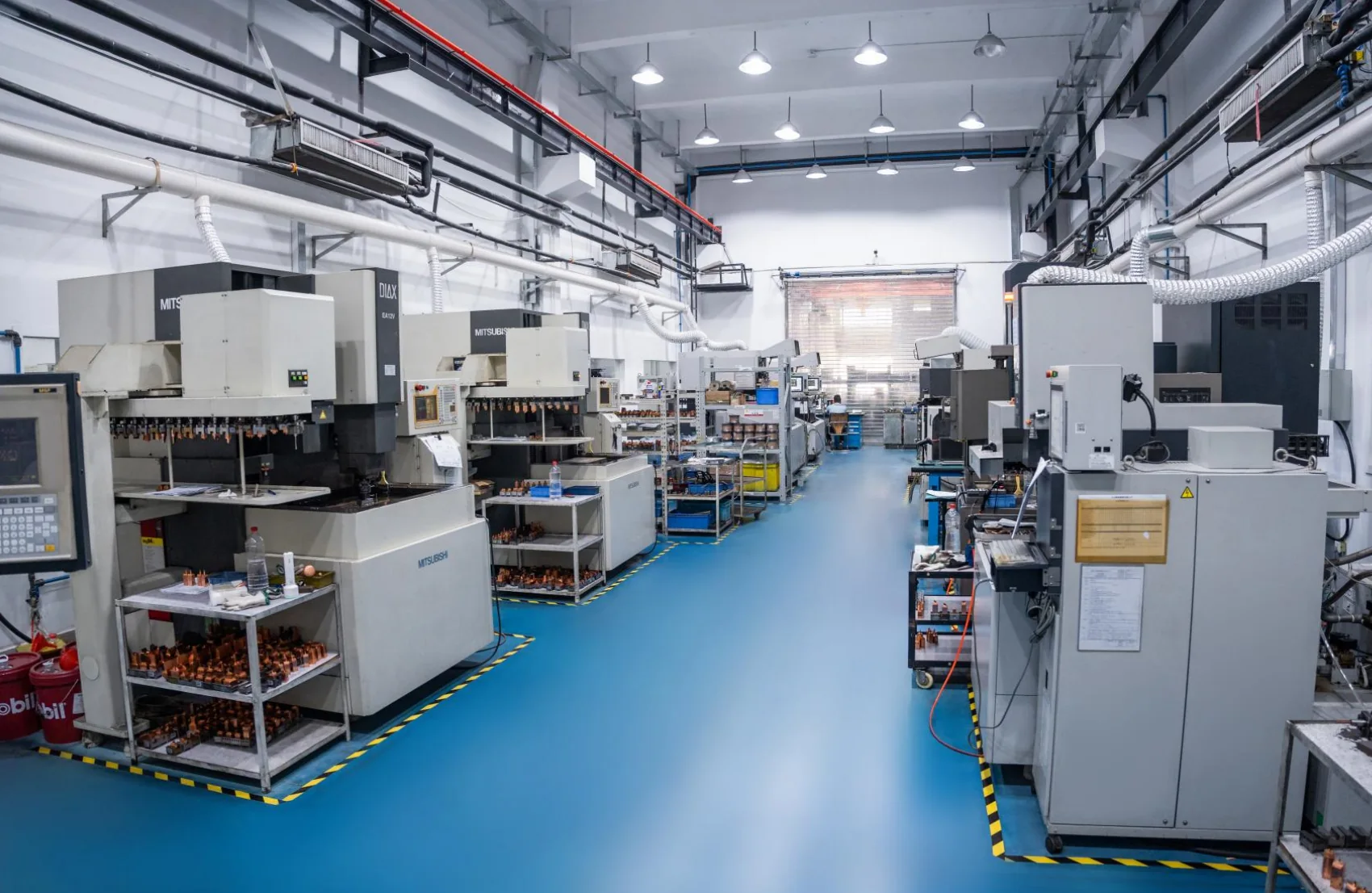
The mold is a controlled production asset
An injection mold converts a product definition into a repeatable process. If part function, resin, shrinkage, appearance, volume, machine, inspection, ownership, and approval conditions are not aligned before manufacture, the tool may be technically complete while the product remains unresolved.
KEY-CRON coordinates the discussion between the product owner and the long-term tooling and molding partner. The partner designs and manufactures within its agreed scope; KEY-CRON keeps inputs, decisions, revisions, trials, approvals, and delivery records connected to the customer project.
Documented workshop capability—and its limit
The supplied 2025 partner materials list 12 high-speed CNC machines, 7 mirror-finish EDM machines, 5 precision slow wire-cut machines, additional machining resources, and approximate annual capacity of 400 mold sets. These numbers describe the partner’s documented workshop, not a promise that every machine or the stated annual capacity is reserved for a project.
Before commitment, confirm:
- legal entity, design and build site, trial site, and any subcontracted operation;
- machine, inspection, polishing, texture, heat-treatment, hot-runner, and component route;
- available capacity and schedule for the specific tool;
- quality-system and certification entity, site, scope, and validity where required;
- confidentiality, data access, tool ownership, location, maintenance, and transfer terms.
DFM before mold quotation
The DFM should address the product and the proposed production process:
- exact resin grade or approved list, shrinkage basis, additives, color, drying, and conditioning;
- nominal and transition walls, ribs, bosses, snaps, press fits, inserts, threads, and assembly;
- draft and texture, parting, shutoffs, slides, lifters, core pulls, collapsible or unscrewing features;
- gate type and location, runner, weld lines, vents, cooling, ejection, and handling;
- sink, warpage, flash, gate vestige, ejector marks, gloss, color, and customer-visible surfaces;
- functional datums, tolerances, steel-safe strategy, measurement method, and cavity control;
- expected volume, tool life, cavity count, changeover, maintenance, spares, and production machine;
- trial, inspection, appearance, assembly, functional, packaging, and release evidence.
DFM approval authorizes the agreed tooling direction; it does not mean the molded product has passed production validation.
Tool specification before steel
A controlled mold specification may define:
- mold number, customer and part revision, resin, cavities, family or dedicated tool;
- mold base, insert and wear-component materials where contractually required;
- cold or hot runner, hot-runner brand and controls, gate and vestige expectations;
- slides, lifters, inserts, interchangeable components, sensors, and automation interface;
- cooling circuits, connectors, lifting, clamping, machine interface, and mold dimensions;
- texture, polish, engraving, date or cavity identification, and cosmetic restrictions;
- expected life, maintenance interval, spare inserts and consumables;
- design-review stages, trial rounds, included samples and reports;
- ownership, use restriction, marking, site, storage, transfer, preservation, and packing.
Quotation assumptions should be visible. “One mold” is not a complete commercial scope.
Design and review
The toolmaker develops the mold design from the approved part and tool specification. Reviews should cover mold layout, orientation, parting, inserts, actions, gate, runner, ejection, cooling, venting, support, wear, assembly access, sensors, and machine interface. Critical decisions and open items should be recorded, not left in transient chat messages.
Design approval authorizes manufacture of the reviewed tool design. Product changes after approval require impact review for cost, timing, steel condition, validation, and documentation.
Manufacture and build records
Useful records may include the approved mold design, steel or standard-component records where required, machining and electrode information, heat treatment, texture or polish approval, component list, hot-runner information, inspection results, assembly checklist, photographs, and progress milestones.
The required records should be named in the quotation. They are not automatic deliverables merely because tooling is customer-funded.
Trial strategy
First trial
The first trial checks fill, release, tool motion, cooling, basic appearance, initial dimensions, and obvious tool or part issues. Record machine, mold, cavity, resin lot, drying, settings or process window, cycle, samples, observations, and deviations.
Correction and optimization
Separate:
- toolmaker correction needed to meet the approved mold and part direction;
- customer design change that alters the released product;
- optional optimization for cycle, automation, appearance, maintenance, or future capacity.
The quotation or change process should state how each category affects cost and schedule.
Validation trial
Later trials should use the intended resin, representative machine and auxiliary setup, defined process window, cavity identification, and agreed sample plan. Dimensional, appearance, assembly, functional, and packaging results are reviewed against release criteria.
Steel-safe and irreversible decisions
Where dimensions are uncertain, a steel-safe approach may preserve room for adjustment. Not every feature can be made steel-safe, and adding metal is not equivalent to removing it. The DFM and mold design should identify high-risk irreversible decisions before machining.
Tool approval and production release
Tool approval may include:
- mold construction and operation match the approved specification;
- agreed samples, dimensions, appearance, assembly, and function are accepted;
- deviations and changes are closed or formally approved;
- mold drawings, component list, hot-runner or control information, and maintenance instructions are delivered as contracted;
- spares, approved samples, cavity identification, packing, preservation, and shipment are complete;
- production site, machine family, process window, inspection, test, and change control are defined.
Tool acceptance and product production release can be separate decisions. A tool may be accepted for transfer while the final product validation remains open.
Ownership, use, maintenance, and transfer
The written agreement should cover who owns the tool and when title transfers; who may use it and for which parts; whether the tool may be moved; who pays for routine maintenance, repair, engineering changes, storage, or refurbishment; how usage and condition are recorded; and what happens at program end.
For a transfer, prepare mold drawings, history, trial and maintenance records, machine interface, hot-runner information, spare parts, approved sample, preservation, packing, and a receiving inspection. The receiving molder should accept the tool condition and production compatibility before shipment where practical.
Best-fit projects
KEY-CRON is strongest when tooling must stay connected to molded gears, housings, motion interfaces, assembly, functional testing, and direct English project communication. A mature commodity tool built from a complete specification for a nominated mold shop may be purchased more efficiently directly.
Connected paths
Place this capability inside the full project path.
Small Western teams rarely buy one isolated process. They balance the motion system, structural parts, electronics, testing, and delivery. These entry points help you continue from the right angle.
Prepare a tooling review
Define the product and tool intent before steel is cut.
A 3D model starts the geometry discussion, but the mold quotation and acceptance need product, material, volume, ownership, trial, quality, and production requirements.
- STEP or native CAD, dimensioned drawing, revision index, mating parts, and product function
- Exact resin or approved list, color, additives, shrinkage data, conditioning, and environmental requirements
- Critical dimensions, datums, appearance zones, texture, inserts, assembly, and measurement method
- Expected annual and lifetime volume, cavity assumptions, machine or site constraints, automation, and cycle target
- Tool ownership, permitted use, marking, location, maintenance, spare inserts, transfer, storage, and end-of-project terms
- DFM and design approval, trial quantities, sample and evidence requirements, timing, packing, and production-release criteria
Related paths
FAQ
Questions to clarify before scoping this capability.
Does KEY-CRON own the mold workshop shown here?
No. The workshop belongs to KEY-CRON's long-term manufacturing partner, AIMO Electronics (Zhuhai). KEY-CRON coordinates the product, tooling, trial, approval, and delivery path. The actual site, equipment, subcontracting, capacity, and commercial scope are confirmed for each tool.
What should a mold quotation include?
It should identify the released part revision and resin, cavities, mold concept, major steel and components where specified, runner and gate, slides or lifters, inserts, texture, hot runner, expected life, trial and sample quantities, included changes, timing, ownership, packing, and exclusions.
Can tooling be developed from a physical sample?
A sample can support reverse engineering and functional review, but it may not reveal nominal dimensions, tolerances, resin, internal geometry, tooling intent, or IP rights. The customer must have authority to reproduce the design, and the reconstructed product definition must be approved before tooling.
Who owns customer-funded tooling?
Ownership is determined by the written commercial terms, not assumed. The agreement should cover title, permitted use, marking, location, access, maintenance, repair, insurance or risk, transfer conditions, storage, and end-of-project disposition.
How many trial rounds are included?
There is no universal number. The quotation should state included trials, sample quantities, measurement or material records, freight, change categories, and the commercial treatment of customer design changes, toolmaker corrections, and optional optimization.
What releases a mold for production?
Release is project-specific and may require approved mold design, acceptable trial and dimensional results, resin and appearance confirmation, assembly and functional tests, closed deviations, tool records, maintenance plan, production process definition, and customer approval.