Article
How We Manage Manufacturing Projects at KEY-CRON
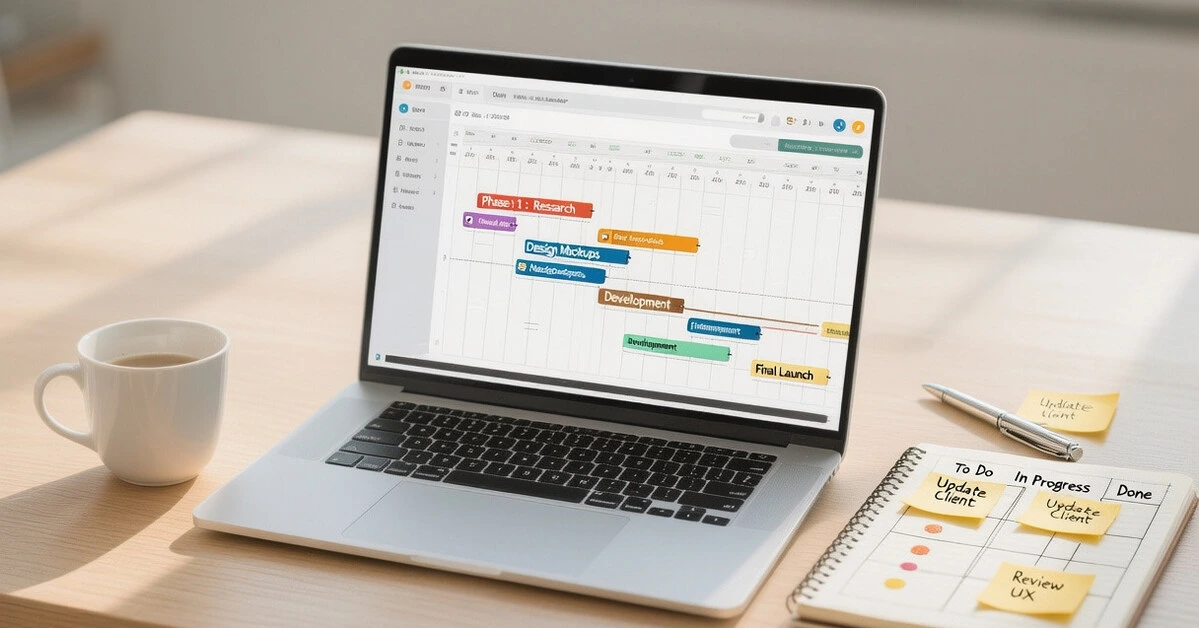
Manufacturing projects become difficult when requirements, ownership, and approval points remain implicit. KEY-CRON uses a milestone-based workflow that keeps engineering decisions visible while leaving room for controlled iteration.
This approach is particularly useful for small product teams that need to coordinate gearmotors, plastic parts, sheet metal, tooling, electronics, or final assembly across more than one manufacturing process.
1. Define the engineering baseline
We begin with the information available: drawings, CAD, a sample, target performance, interface constraints, annual volume, and launch timing. Missing details are converted into an open-issue list instead of being filled with assumptions.
The initial output normally includes:
- project scope and supply boundary;
- key technical requirements and acceptance criteria;
- drawings or data still required;
- major technical and commercial risks;
- proposed sample, validation, and approval milestones.
2. Review manufacturability and interfaces
Engineers review the requirements before tooling or production is committed. Depending on the project, this may cover gear ratio and torque margin, shaft and connector interfaces, material selection, tolerances, molding feasibility, sheet-metal features, test conditions, and assembly access.
Questions are discussed directly in English with the people coordinating the engineering work. Decisions and drawing revisions are recorded so that the customer and suppliers work from the same release.
3. Build and validate samples
The validation route is agreed before samples are made. It can include dimensional inspection, functional checks, torque or speed testing, acoustic evaluation, fit checks, environmental tests, or customer-side system trials. The exact tests depend on the product and the agreed specification.
Sample findings are converted into a concise action list: accepted items, deviations, corrective actions, and decisions needed from the customer. A design is not treated as production-ready merely because a prototype can run.
4. Control changes and approvals
Changes after quotation or tooling release can affect cost, lead time, validation, and existing inventory. We therefore confirm the affected drawing revision, reason for change, commercial impact, and revalidation need before implementation.
Typical approval gates include:
- requirement and drawing approval;
- tooling or process plan approval where applicable;
- first-article or sample approval;
- pilot-build review;
- mass-production release.
5. Prepare for repeatable production
Before repeat orders, the team aligns the released drawing, bill of materials, control points, test method, packaging, labeling, and traceability requirements. For coordinated projects, KEY-CRON also tracks handoffs between the relevant Pearl River Delta manufacturing partners.
What customers can expect
Our role is to make the project easier to see and easier to decide:
- a named technical communication path in English;
- visible open issues and responsible parties;
- milestone updates tied to evidence, not vague percentage-complete reports;
- early notice when a decision, supplier constraint, or test result affects timing;
- written approval before a critical revision enters production.
How performance is measured
We do not publish a universal defect-rate, budget-variance, or on-time-delivery guarantee because these measures depend on the agreed scope, inspection level, forecast stability, and acceptance criteria. For each project, suitable metrics can be defined in the quotation, quality plan, or engineering specification.
Useful project-specific measures may include:
- milestone dates and approval turnaround;
- first-article findings and closure status;
- critical dimension or performance results;
- pilot-build yield and corrective-action closure;
- delivery performance against the confirmed schedule.
If you are preparing a new project, send the application, target performance, available drawing or sample, annual quantity, and expected launch date. We can help turn incomplete information into a practical engineering and manufacturing plan.